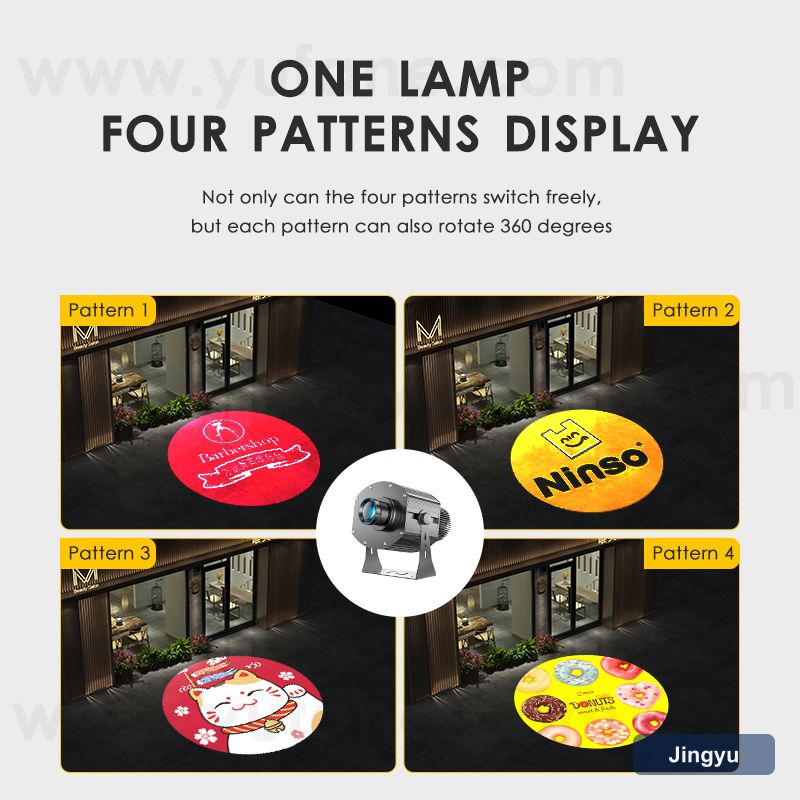
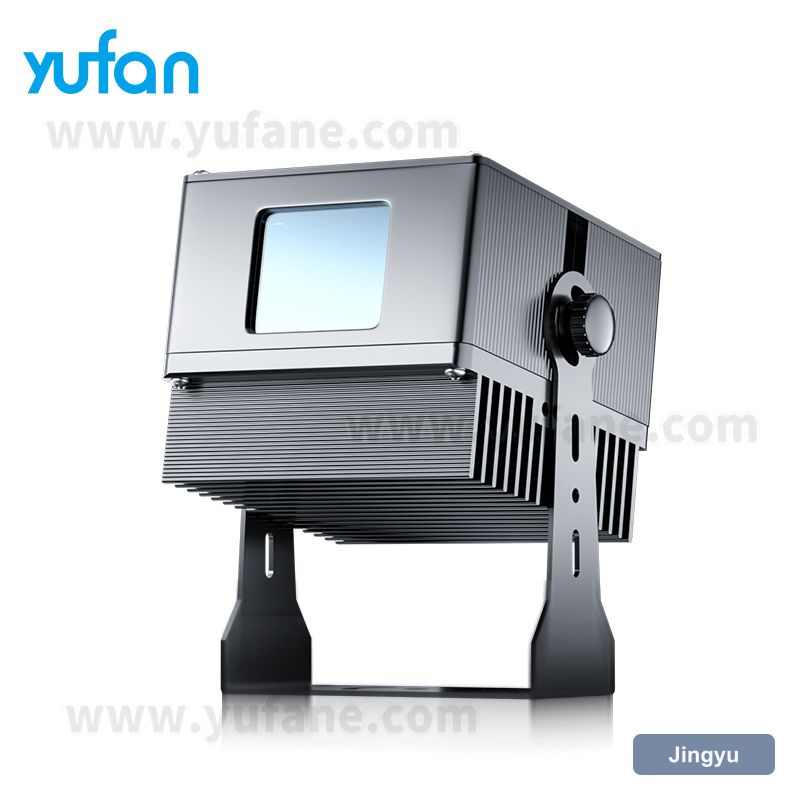
The failure mode nobody catches
A wedding reception gobo light does not fail, it fades. Output declines slowly through dust, film on the optics and gradual LED wear, and because the change is gradual nobody dates it. By the time somebody complains the unit has often lost a third of its output — most of it recoverable with a cloth.
- Take a reference photo at install, under the conditions it will run in
- Repeat it annually, same hour, same house lighting
- Log any cleaning or gobo change with a date
- Compare before assuming the unit has failed
How to clean without damaging coatings
Clean in the order the light travels: outer window, then the lens, then the gobo. Use a blower or a soft brush before any liquid, and only then a lens cloth with a drop of isopropyl — never a household cleaner, which will damage coatings in one go. Handle the gobo by its edge; fingerprints bake into the coating under a hot lamp.
- Blow or brush off loose dust first
- Use isopropyl sparingly on a proper lens cloth
- Avoid household cleaners on any coated surface
- Handle the gobo by the edge, never the face
Gobo inspection and replacement
The gobo is the part that carries the image and the part most often blamed for a fault that is elsewhere. Check it against a light before assuming the optics have failed: a hairline crack or a patch of degraded coating shows up clearly when you tilt it. Keep the reference code so reorders are exact.
- Inspect against a light at an angle for cracks and crazing
- Look for marks that show in the image but not on the glass
- Replace rather than clean a degraded coated gobo
- Record the reference code for exact reorders
Heat, seals and electrical checks
Heat and water are the two things that kill a wedding reception gobo light early. Check that ventilation paths are clear, that seals are still seated, and that the cable entry is intact. If the unit is in an enclosed void, measure the air temperature around it — the LED life figure assumes it is not cooking.
- Housing temperature after an hour at full output
- Seals and gaskets still seated and supple
- Bracket tight and the unit still on aim
- Cable gland intact and the drip loop in place
Before the busy period
Before the busy season, run the unit for a full evening rather than a few minutes. Thermal cut-outs and driver faults appear after an hour or two, not in the first five, and discovering that on the first night of an event is the expensive way to find it.
- Run a full duty cycle at the working hour
- Check for thermal cut-out after an hour or two
- Clean the optics before the season starts
- Confirm the timer and switch settings
Spares worth holding
The spares list is short because the failure modes are few. A spare glass gobo covers image damage; a spare control handset covers the most common support call; a recorded artwork reference covers everything else. Keep them together with the install record.
- A spare gobo, cut from the same artwork file
- A spare control handset or remote
- The artwork reference and reorder contact
- The install record with throw and settings