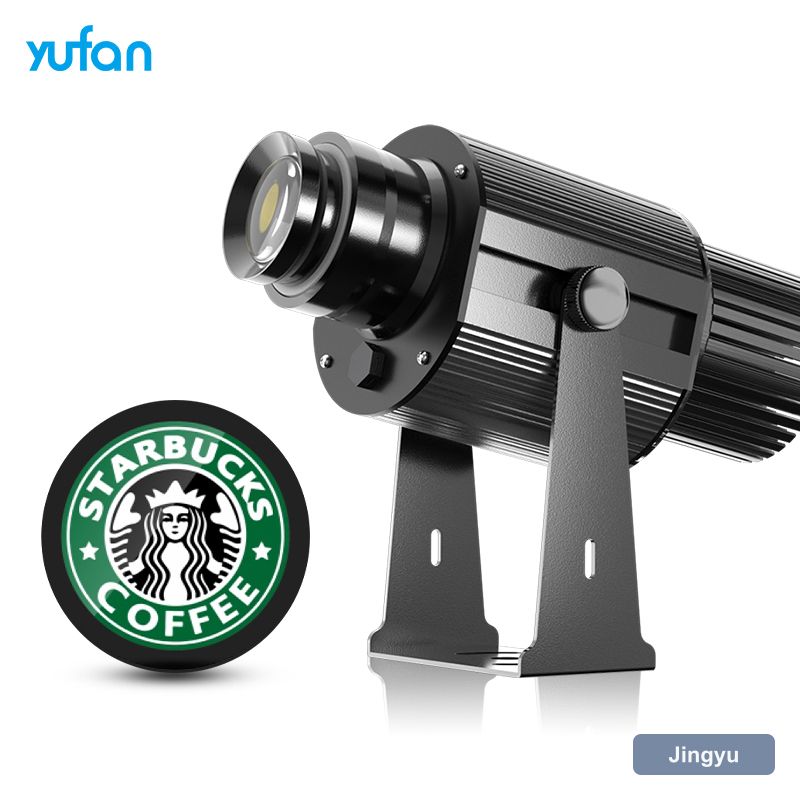
Set the comparison on the same wall
Compare at the same distance, on the same surface, at the same hour. Every meaningful difference between a storefront gobo projector and the alternative shows up there and nowhere else — on a spec sheet both options look capable. Set up the comparison on the wall you actually have, and the decision usually makes itself.
- Throw distance and image size, fixed for both options
- The surface and the ambient light at the working hour
- The artwork, and whether it contains text or fine detail
- How each option will be serviced
Where the brightness comes from
The light source sets the ceiling on everything else. LED gives instant strike, long life and low heat, which is why it has largely replaced discharge lamps in this class; discharge sources still win on raw output per dollar for very large, long-throw installs. For a storefront gobo projector in the 30–150 W band, LED is the default and the comparison is about driver quality and thermal design, not the source.
What each option can actually draw
Detail is the constraint that decides most comparisons. A storefront gobo projector carrying a custom gobo will reproduce a script monogram cleanly; alternatives that generate the image electronically or mechanically cannot. Check the thinnest stroke in your artwork against what each system holds before you weigh anything else.
Running cost, heat and service life
The purchase price is the first payment, not the last. LEDs in this class are rated in the tens of thousands of hours to L70, but that figure assumes reasonable thermal management — a storefront gobo projector cooking in an enclosed void will not reach it. Add gobo replacement, cleaning access, and the cost of the electricity, and the ranking often changes.
- Rated hours and what end of life means
- Cleaning frequency and access method
- Gobo or pattern replacement cost and lead time
- Power draw at the actual duty cycle
Side by side
Set the two options side by side on the criteria that survive contact with a real site: what they can draw, what they cost to run, what they need to stay bright, and how they are serviced. The table is deliberately short — if a criterion does not change the decision, it does not belong in it.
How to choose
Choose on the job, not the datasheet. If the work is a logo, a monogram or anything with readable text, a storefront gobo projector with a proper gobo is the answer. If it is an abstract effect over a large area, the alternative may be cheaper and better. The mistake is buying the flexible option for a job that does not need it, or the cheap one for a job that does.
- Does the job need text, a logo or fine detail
- Is the surface and ambient light controlled
- How often will the artwork change
- How will it be serviced in year three