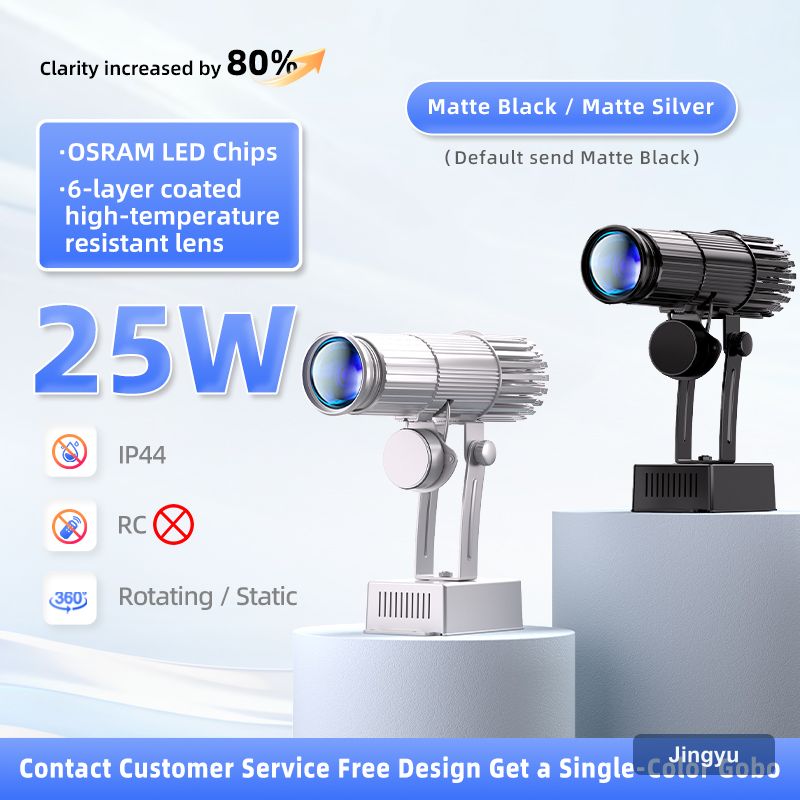
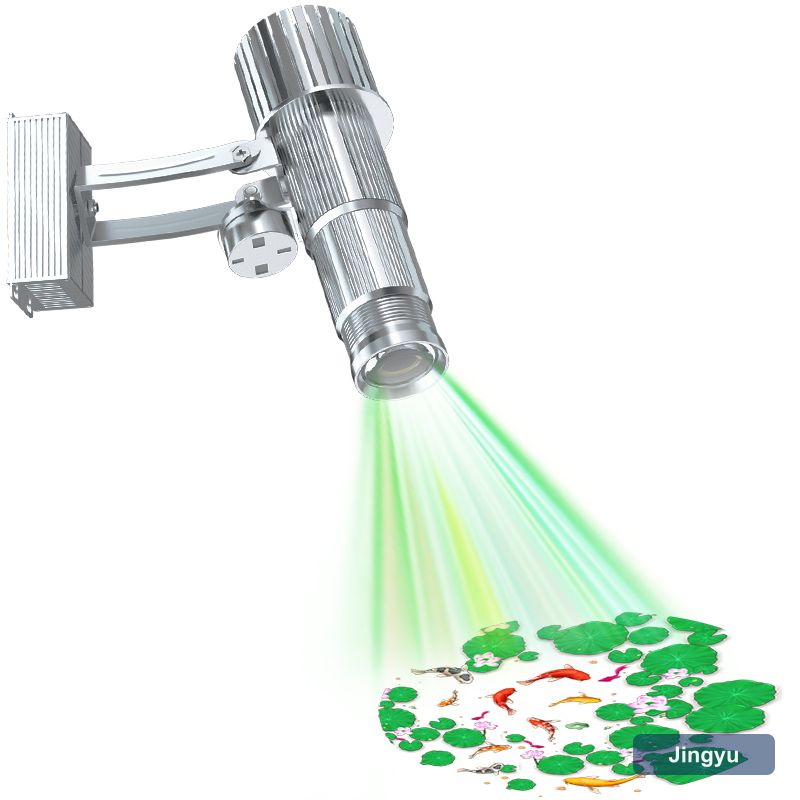
The failure mode nobody catches
A gobo light projector does not fail, it fades. Output declines slowly through dust, film on the optics and gradual LED wear, and because the change is gradual nobody dates it. By the time somebody complains the unit has often lost a third of its output — most of it recoverable with a cloth.
Cleaning the optics
Clean in the order the light travels: outer window, then the lens, then the gobo. Use a blower or a soft brush before any liquid, and only then a lens cloth with a drop of isopropyl — never a household cleaner, which will damage coatings in one go. Handle the gobo by its edge; fingerprints bake into the coating under a hot lamp.
- Remove loose dust with a blower or soft brush
- Wipe with a lens cloth and a little isopropyl only
- Never use a household cleaner on coated optics
- Handle the gobo by its edge only
When the image, not the lamp, is the problem
Re-cut the gobo when the image, not the output, is the problem. If brightness has fallen everywhere, look at the optics; if a specific part of the image has degraded, look at the gobo. Storing a spare glass gobo means a damaged one is a five-minute swap rather than a two-week wait.
Heat, seals and electrical checks
The half-yearly inspection is short: feel the housing after an hour, look at the seals, check the gland, and confirm the bracket has not moved. Thermal problems and water ingress cause most of the premature failures in this class, and both are visible without any test equipment.
Before the busy period
Do the full-duty test before you need it. A gobo light projector that has sat idle through the quiet months should be run for a complete cycle at the working hour, with the house lights as they will be, before the season starts. That one test catches most of what would otherwise become a mid-event failure.
- Run a full duty cycle at the working hour
- Check for thermal cut-out after an hour or two
- Clean the optics before the season starts
- Confirm the timer and switch settings
What to keep on the shelf
Hold three things: a spare gobo, a spare remote or control interface, and the contact for re-cutting artwork. Everything else on a gobo light projector is either long-lived or a job for the supplier. Those three cover the failures that actually happen and cost very little to keep on the shelf.