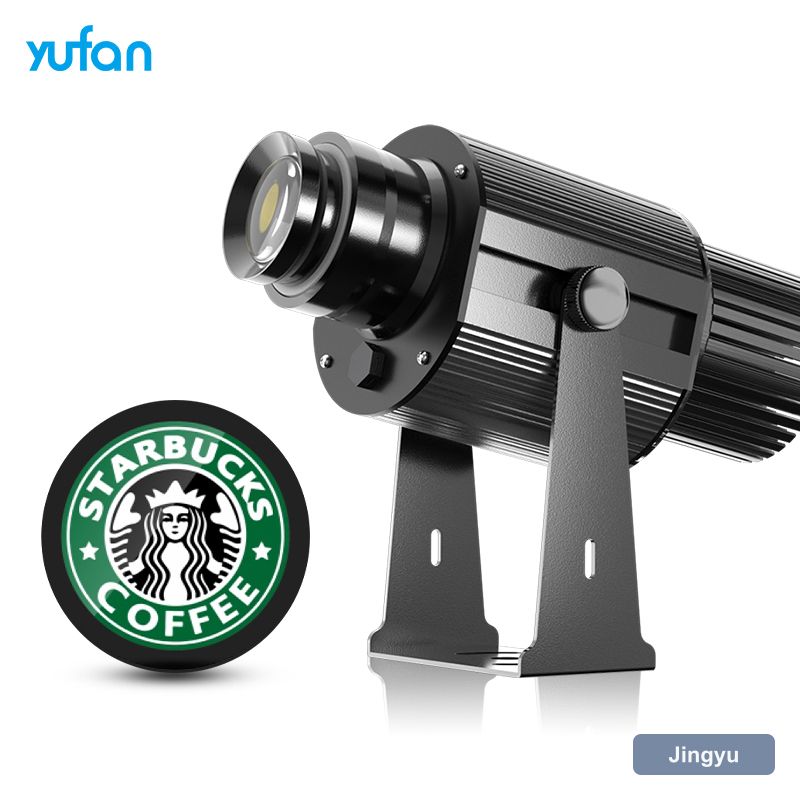
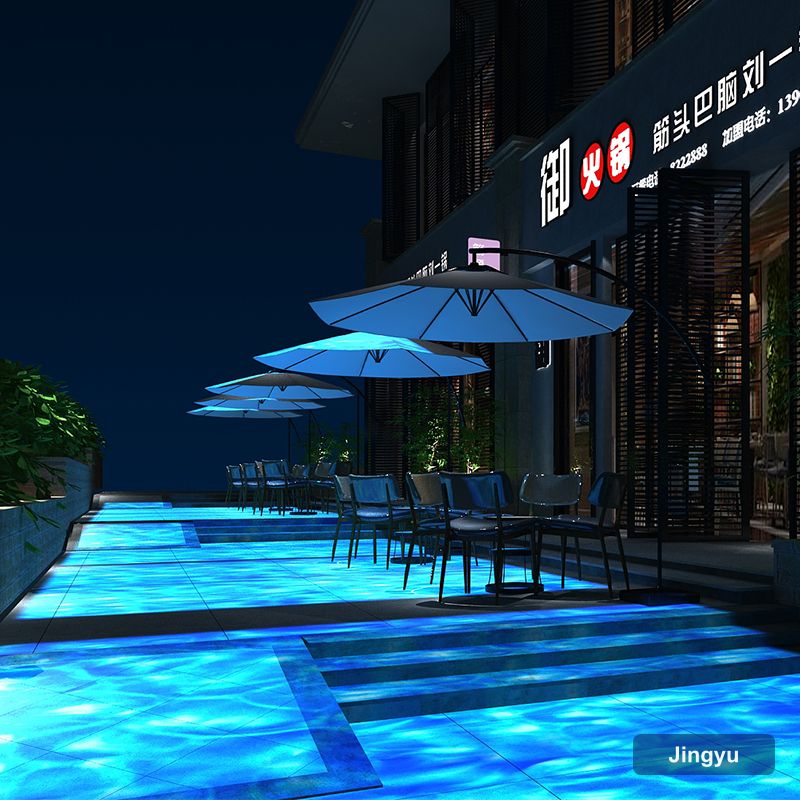
What this fixture is good at
The applications that work share one property: the surface is controlled. Where a wedding monogram light succeeds — a feature wall behind the head table, a dance floor centre — somebody has thought about what is already falling on that wall. Where it fails, the unit is fighting daylight or a glossy, patterned surface it was never going to win against.
Application one — feature wall behind the head table
feature wall behind the head table is the easy case for a wedding monogram light and the one to learn on. The surface is usually matte and light-coloured, the ambient light is known, and the viewing distance is short enough that 20 W is plenty. Get the throw right, keep the beam square to the wall, and there is very little to go wrong.
dance floor centre: lighting against competition
dance floor centre is harder, because the wedding monogram light is competing with lighting somebody else controls. The fix is rarely more power — it is choosing a surface, an angle, and an hour where the projection has a chance. Move the image off the most lit part of the wall, project onto a matte surface rather than a glossy one, and the same unit performs completely differently.
entrance arch: the demanding case
entrance arch is the demanding case, and where a wedding monogram light either proves itself or gets returned. Longer throws, more ambient light, and usually a surface nobody chose for the purpose. These installs need the top of the output range, careful aiming, and often a compromise on image size — a smaller, brighter logo beats a large, washed-out one.
Settings that change with the venue
Three settings change with the application: output, image size, and whether the effect is static or moving. A wedding monogram light in a quiet feature wall behind the head table wants a locked static image; the same unit at an event can carry rotation and pattern changes. Neither setting is better — they suit different jobs.
What to check before committing
Test the concept before you buy the fleet. One wedding monogram light on the actual wall, at the actual hour, tells you more than any specification — and if it does not work, you have spent a fraction of the rollout budget finding out.