What Each Mode Does
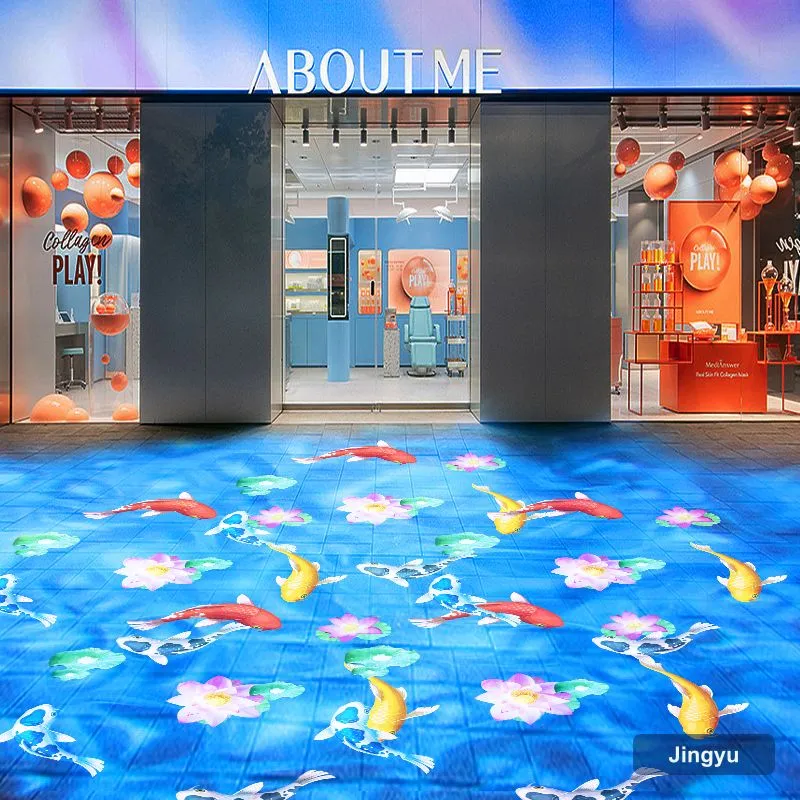
Static holds one image still — a logo, a monogram, a safety line. Rotating spins the gobo so the pattern moves, adding life without any video.
Legibility vs Atmosphere
If the viewer must read or recognise the mark, static wins — a spinning logo is unreadable. If the goal is mood (water on a wall, stars overhead), rotation wins.
Where Each Belongs
Common pairings:
| Goal | Mode | Example |
|---|---|---|
| Brand recognition | Static | Reception logo, storefront mark |
| Safety marking | Static | Forklift line, crosswalk |
| Mood / ambience | Rotating | Hotel lobby, garden |
| Party energy | Rotating | Nightclub, dance floor edge |
Hardware Difference
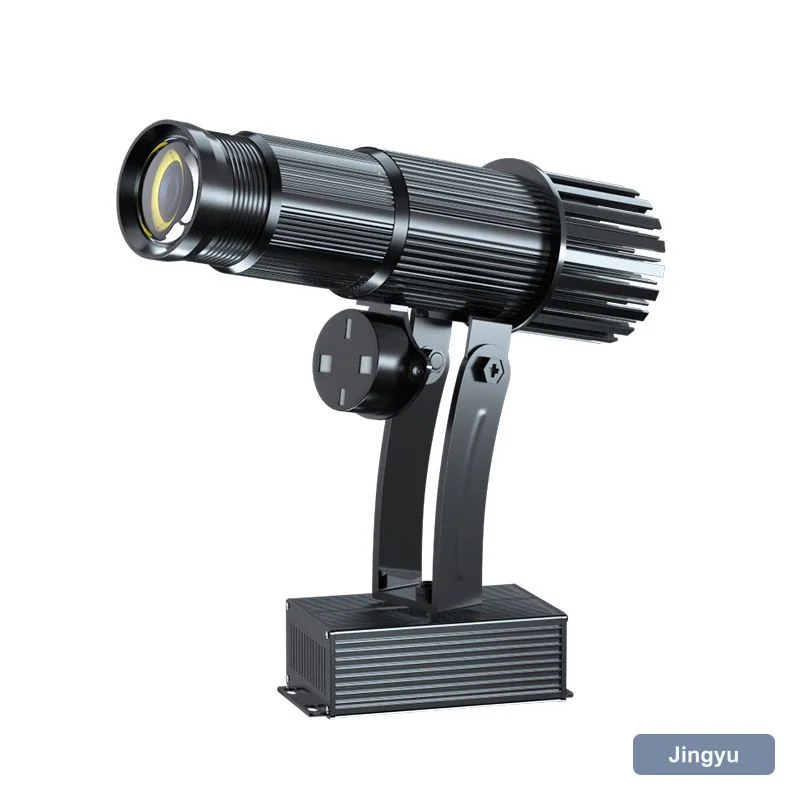
Static projectors have no moving gobo; rotating units add a motor (slight hum, a failure point). For 24/7 signage, static is the lower-maintenance choice.
Cost and Reliability
Rotating units cost a little more and need the motor to survive duty. For a permanent brand mark left running, many operators prefer static for uptime.
The Hybrid Answer
Run both: a static fixture for the mark that must be read, and a rotating fixture for atmosphere. They complement rather than compete.