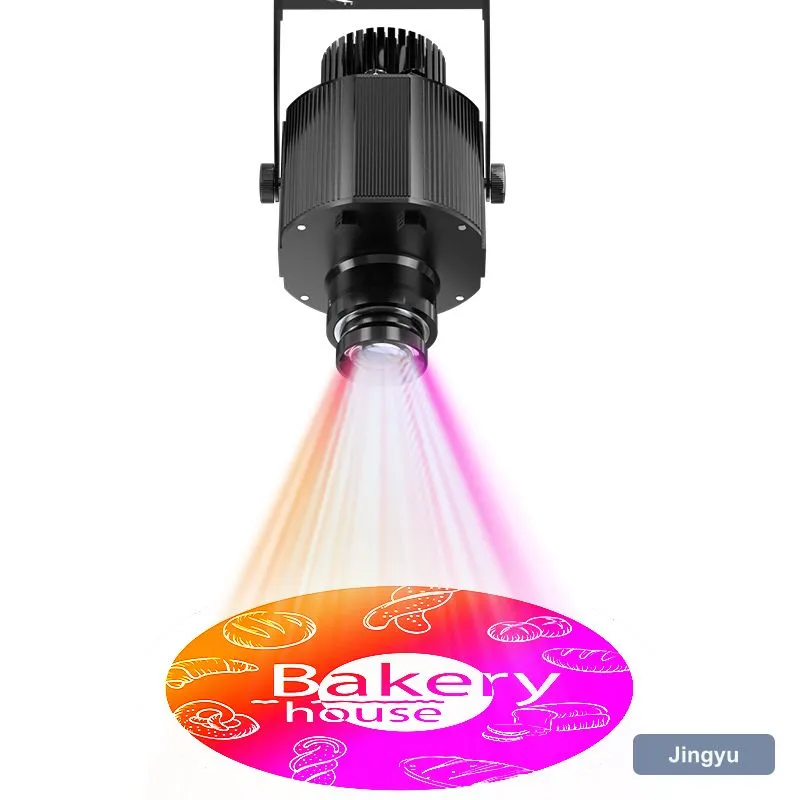
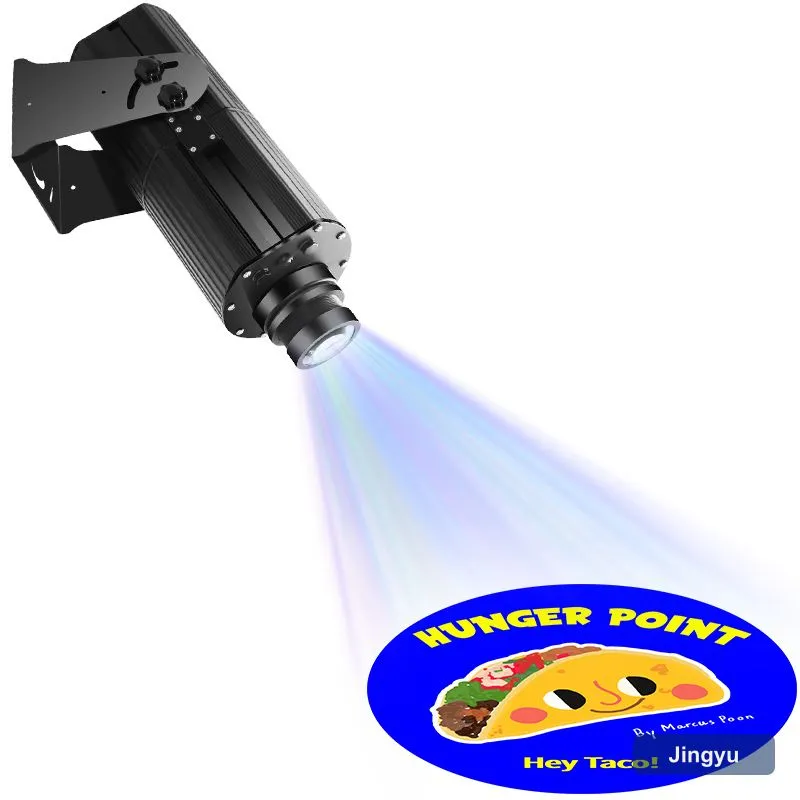
Start with the wall, not the wattage
Outdoor projection lives or dies on the surface. A matte, light-coloured facade square to the beam reads at half the power of a glossy, dark one. Survey the exact wall and its ambient light at the hour you care about before sizing the unit.
What IP65 actually protects
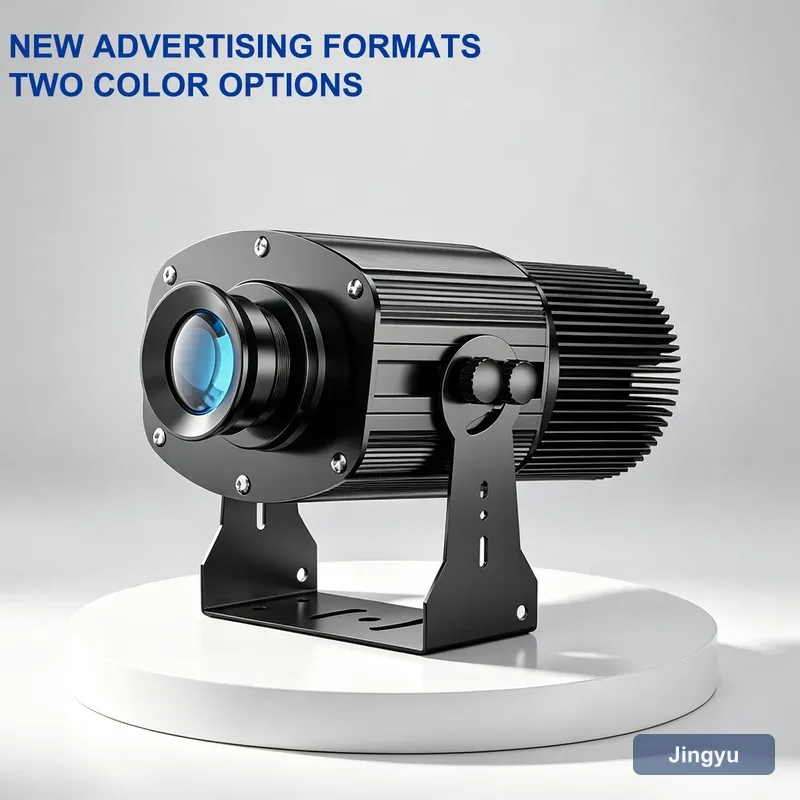
IP65 means dust-tight and protected against water jets. It covers the body, not necessarily the cable gland or the bracket. Those are where water actually gets in, so check they share the rating.
- Body: dust + jets OK
- Cable gland: must be rated too
- Bracket: needs corrosion resistance, not just the box
Mounting and aim
Pick a bracket that holds the aim angle without drifting as the housing warms. Vibration from traffic or wind will walk a loose mount out of focus within a week.
- Fix to masonry, not cladding
- Aim before torquing
- Re-check focus after the first warm-up
Power and cable routing
Outdoor runs need a weatherproof connection and a route that does not cross a public pavement or a downpipe. Plan the cable before you drill.
Winter behaviour
Cold is the real test. Condensation forms behind the lens on the first cold night if the breather is blocked, and a sealed void traps heat that cook the LED in summer. A unit that breathes correctly outlasts a tougher-looking sealed one.
A 24/7 duty check
If the logo runs all night, confirm the duty cycle and the thermal design. A unit rated for occasional use will dim within a season on a 24/7 schedule.