What's happening
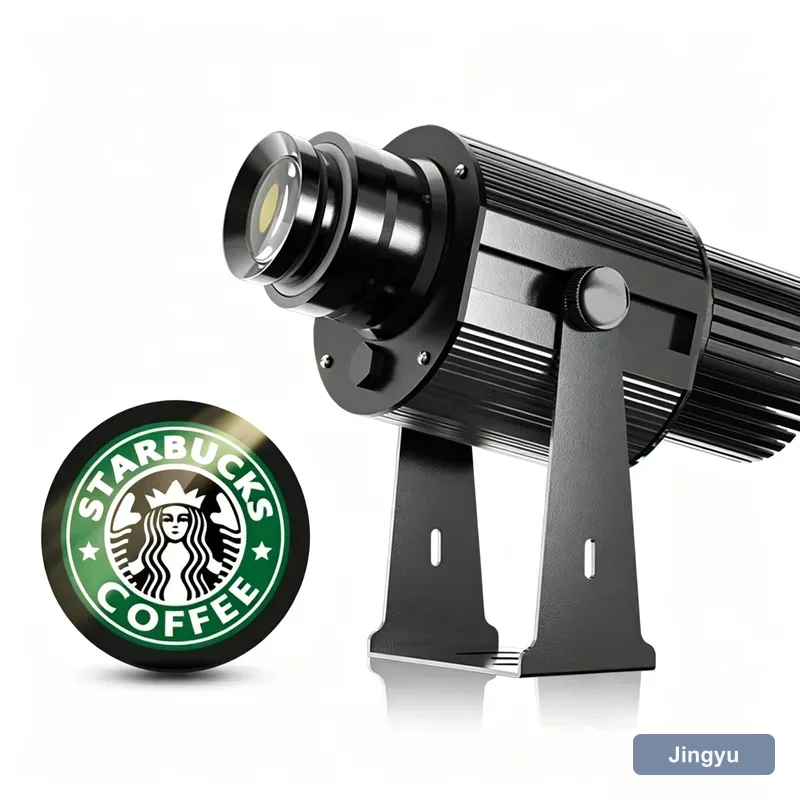
Italian lighting manufacturer unonovesette introduced the Vario 60 Gobo, an exterior projector built around interchangeable gobos inspired by natural forms, aimed at architects and lighting designers. Alongside it, the company launched the STIX Configurator, a web tool that lets designers combine sizes, optics, finishes and colour temperatures to test compositions before specifying. The same month the firm supplied Explorer 65-1 projectors for the 1.2 km Shura Bridge in the Red Sea.
Why it matters for buyers
For a retailer, venue or signage buyer, the practical effect is simple: the unit that reads on your wall at your ambient light, with your artwork, beats the one with the bigger number on the box. Specification order — distance, image size, ambient, then brightness — decides the result.
It also changes lead-time risk. Custom gobos and certified outdoor builds need briefing before the date is fixed; the projector is rarely the long pole, the artwork and certification are.
The technical angle
Throw distance, not wattage, governs what you see on the wall. A 60 W unit aimed at 6 m reads very differently from the same unit at 15 m; specify the distance first, then let brightness follow.
What to specify
Before you request a quote, lock these down:
- Throw distance from bracket to surface, measured on site — not estimated
- Lead time on a custom gobo versus a stock pattern
- Ambient light level at the hour the projection must read
- Image size you need at that distance