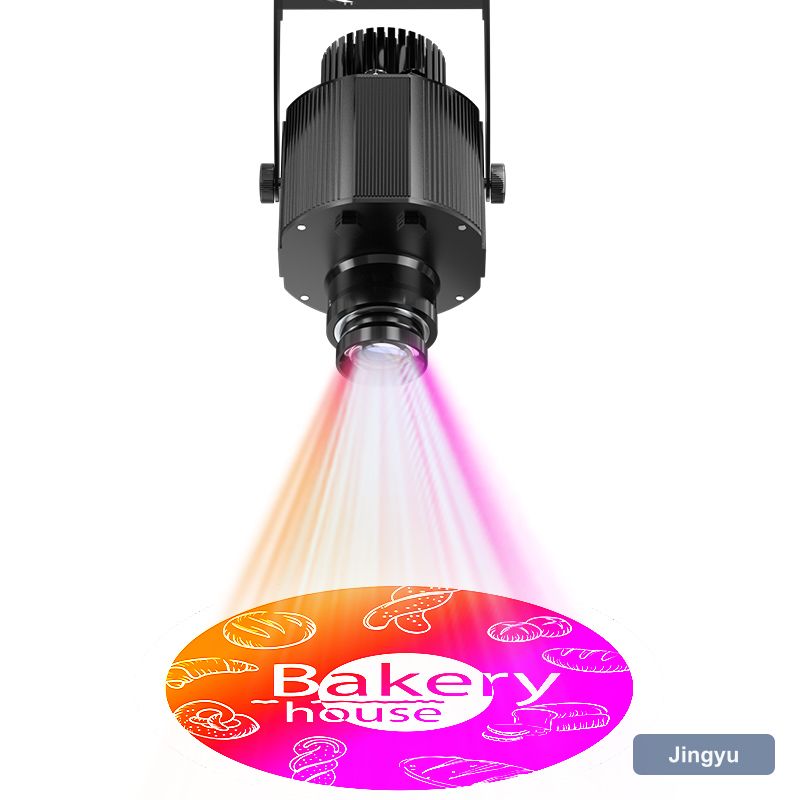
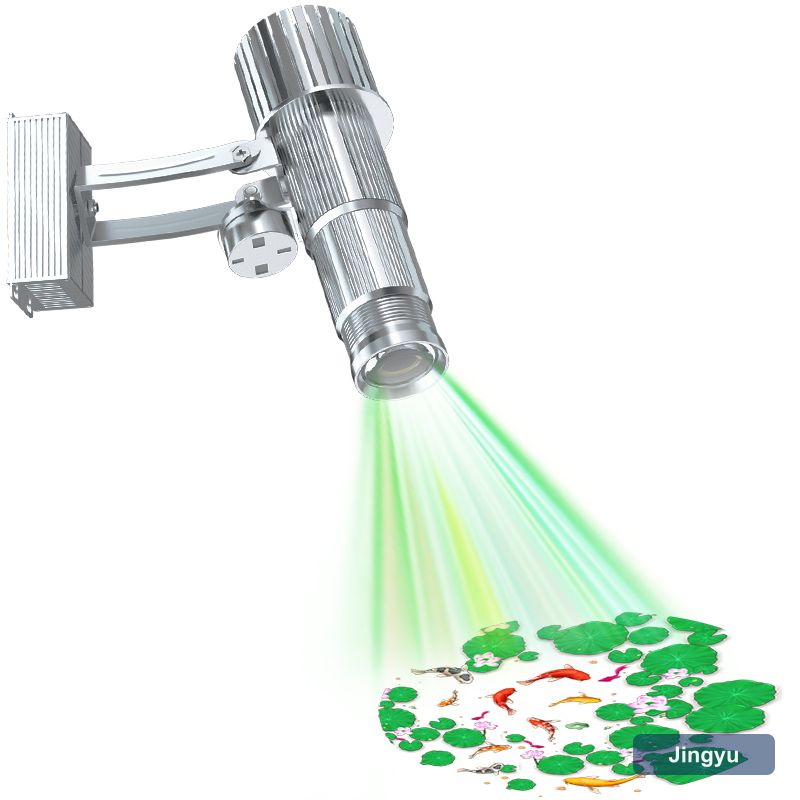
Compare at the same distance, on the same surface
Compare at the same distance, on the same surface, at the same hour. Every meaningful difference between a logo light projector and the alternative shows up there and nowhere else — on a spec sheet both options look capable. Set up the comparison on the wall you actually have, and the decision usually makes itself.
- Throw distance and image size, fixed for both options
- The surface and the ambient light at the working hour
- The artwork, and whether it contains text or fine detail
- How each option will be serviced
Where the brightness comes from
The light source sets the ceiling on everything else. LED gives instant strike, long life and low heat, which is why it has largely replaced discharge lamps in this class; discharge sources still win on raw output per dollar for very large, long-throw installs. For a logo light projector in the 15–120 W band, LED is the default and the comparison is about driver quality and thermal design, not the source.
- Instant strike and tolerance of frequent switching
- Output stability over the duty cycle
- Driver quality and thermal design
- Measured output at the wall, not rated lumens
Image quality and artwork freedom
Detail is the constraint that decides most comparisons. A logo light projector carrying a custom gobo will reproduce a script monogram cleanly; alternatives that generate the image electronically or mechanically cannot. Check the thinnest stroke in your artwork against what each system holds before you weigh anything else.
Running cost, heat and service life
Service life is a design outcome, not a datasheet number. Compare how each option handles heat, whether routine servicing breaks the environmental seal, and how quickly a replacement gobo can be produced. Those three things determine whether the unit is still doing its job in year three.
The short version
Ranked by what buyers actually complain about afterwards, the differences come down to artwork capability, servicing access and stability over time. Both options will produce light on a wall; only one will still be producing the right image on the right surface in two years.
How to choose
If you are still unsure, buy one of each and put them on the wall for a week. Differences that look marginal in a table are unmistakable on site, and one logo light projector is a small price to pay for getting a rollout right.