Start from the wall and work backwards
Most laser projector safety class sheets list ten numbers and leave out the three that decide the result. Work from the wall backwards — image size, throw distance, ambient light — and treat everything else as supporting detail. The numbers that matter are the ones you can verify on site with a tape measure and a lux meter.
Output numbers, ranked by how much they lie
Wattage tells you the running cost, not the result. Two laser projector safety class models at the same wattage can differ by 30% at the wall because of lens efficiency and LED binning. What you actually care about is contrast: the image needs to be meaningfully brighter than the surface it lands on, and that is a lux comparison, not a lumen one.
Gobo size, image area and resolution
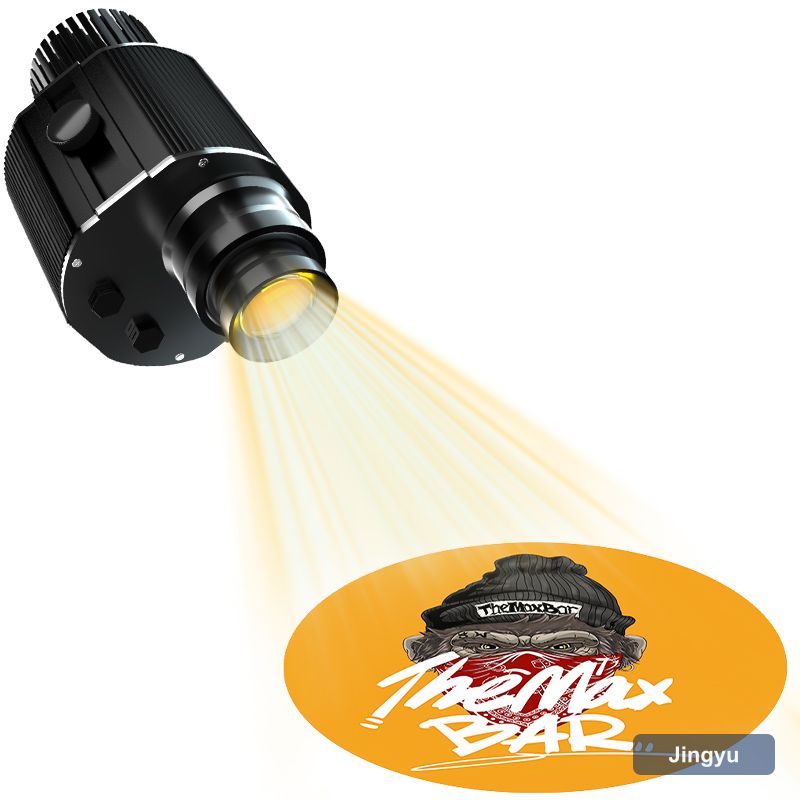
Two numbers govern the image: gobo image area and the resolution the lens can carry. Glass gobos can be engraved far finer than any laser projector safety class lens in this class will resolve, so the practical limit is optical. That is worth knowing before you pay for engraving detail nobody will see from 10 m away.
IP rating and electrical data
The electrical block is boring and expensive to get wrong. Confirm the input voltage range matches your supply, check whether the laser projector safety class ships with a local plug, and look for CE, RoHS and FCC marks if the install is commercial. A unit that is electrically fine but uncertified will not pass a site inspection in most markets.
What a good supplier answers without hesitating
Ask for measured figures rather than calculated ones: image lux at a stated distance, image width at your throw, and the gobo image area. Then ask what happens when the unit needs servicing — whether the laser projector safety class can be opened on site without voiding the rating, and how quickly artwork can be re-cut if a branch changes its logo.