What this fixture is good at
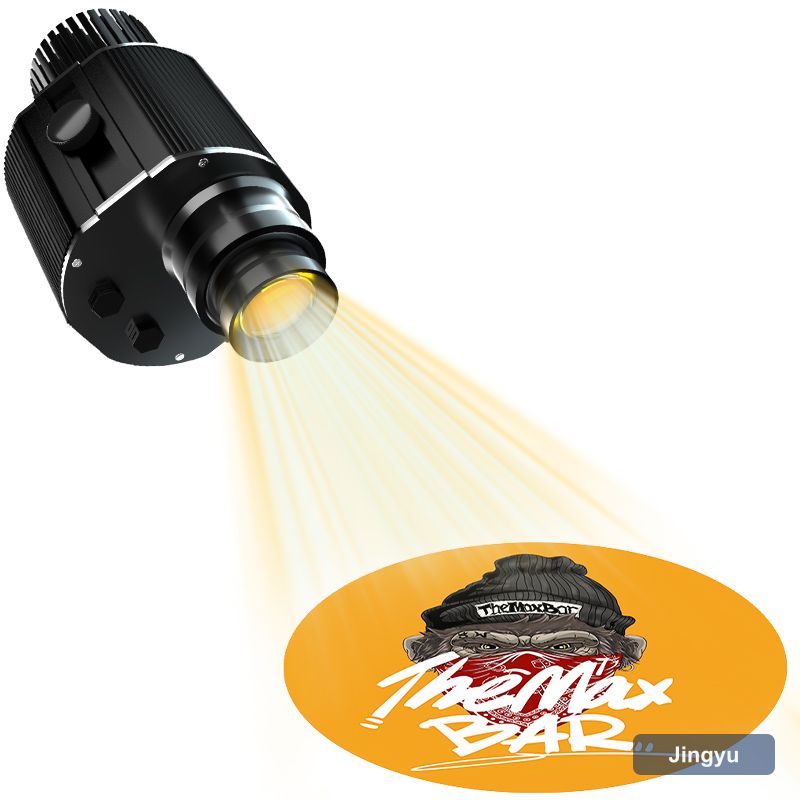
an IP67 gobo projector is not decoration, it is a way of putting a message on a surface that already exists. It earns its keep where a permanent sign is too expensive, too slow to permit, or simply not allowed — and it struggles where the ambient light is stronger than the projector can beat. Knowing which is which before you buy saves the most money.
coastal frontage: the straightforward install
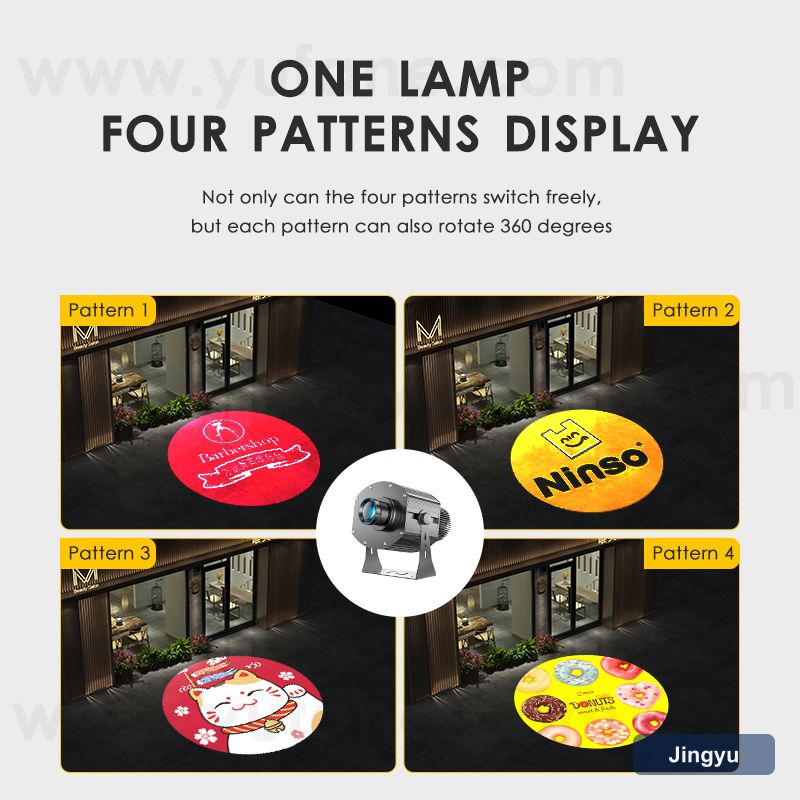
A coastal frontage install is the reference case: controlled surface, predictable light, fixed message. an IP67 gobo projector in this setting usually runs at the lower end of its output range, which extends LED life and keeps the housing cool — the two things that determine whether it is still running in five years.
Application two — construction hoarding
construction hoarding is harder, because the IP67 gobo projector is competing with lighting somebody else controls. The fix is rarely more power — it is choosing a surface, an angle, and an hour where the projection has a chance. Move the image off the most lit part of the wall, project onto a matte surface rather than a glossy one, and the same unit performs completely differently.
Application three — wash-down area
wash-down area is the demanding case, and where an IP67 gobo projector either proves itself or gets returned. Longer throws, more ambient light, and usually a surface nobody chose for the purpose. These installs need the top of the output range, careful aiming, and often a compromise on image size — a smaller, brighter logo beats a large, washed-out one.
Recommended configuration by application
Match the configuration to the surface: matte and light-coloured surfaces give the most back, glossy or dark ones eat the image. On difficult surfaces, reduce the image size before increasing the power — it is cheaper and it works.
| Application | Recommended output | Notes |
|---|---|---|
| coastal frontage | 50 W class | Controlled surface, short throw |
| construction hoarding | 50–300 W | Competing with existing lighting |
| wash-down area | 300 W and up | Reduce image size before adding power |
What to check before committing
Before committing, answer three questions about the site: how bright is the surface at the working hour, can the unit be mounted square to it, and is there power within reach. If all three are favourable, an IP67 gobo projector will do the job. If two are not, price the alternatives first.