What to check on the first visit
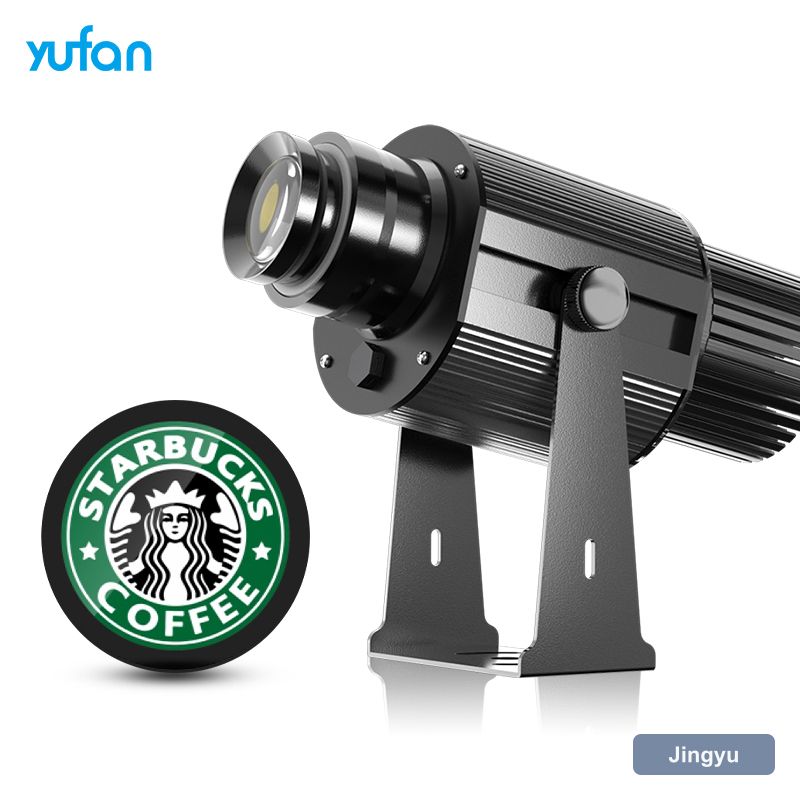
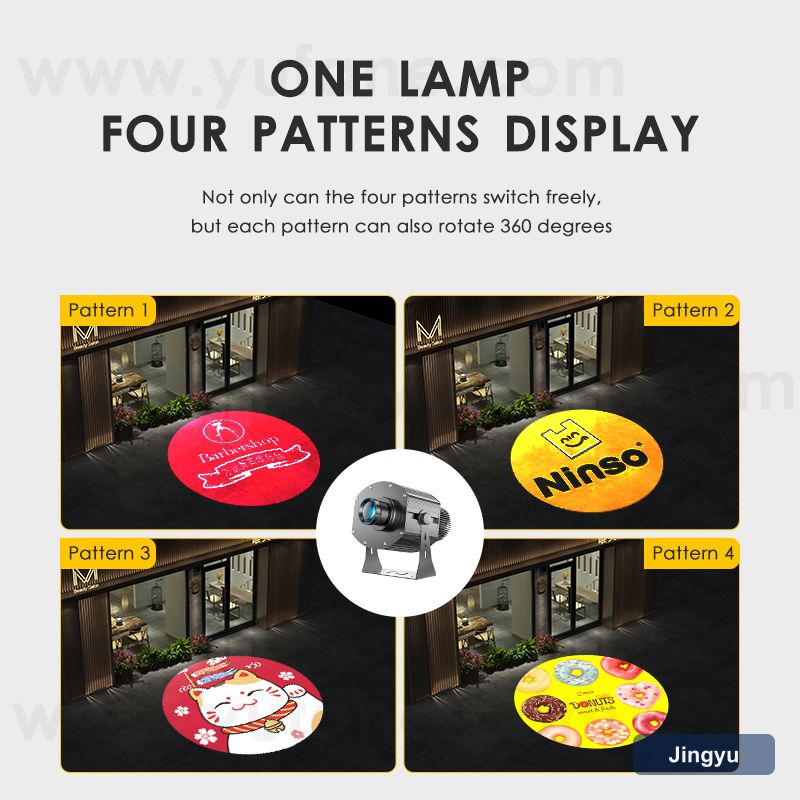
Installations go wrong in the first hour, on the survey, when somebody decides where the bracket goes before checking what is behind the wall. Before you drill for an advertising gobo projector, confirm four things: the power position, what the surface is made of, whether the mounting point can carry the weight, and where the image will actually land once the furniture and signage are in place.
- Nearest power and whether it is switched
- Surface material, colour and ambient light at the working hour
- Fixing substrate and bracket load
- How the unit will be reached for cleaning
Mounting height and bracket choice
Aim for a straight-on shot and a reachable position. The geometry matters more than people expect: at 30 degrees off-axis a rectangular logo becomes visibly trapezoidal, and no amount of focus adjustment fixes it. If the only available position is steeply angled, plan the artwork to suit — or move the surface.
- Bracket rated above the fixture weight
- Stainless fixings for exposed positions
- Beam as close to perpendicular as the site allows
- Position reachable without powered access
The order of adjustments
Focus on the centre, then check the edges. an advertising gobo projector focused on a flat wall should read evenly corner to corner; if it does not, the usual cause is an angled mount rather than a bad lens. Once you are happy, lock the focus if the unit allows it, because vibration and thermal cycling will otherwise move it over a season.
- Confirm the geometry and tighten the bracket
- Zoom until the image fills the intended area
- Focus on the centre of the image
- Check the corners — soft corners mean an angled mount
Power, cable routing and switching
Fit the cable gland the right way up and leave a drip loop. Those two details prevent most of the water ingress calls on outdoor advertising gobo projector installs. Then confirm the supply is switched and labelled, so the site team can isolate the unit without hunting through a distribution board.
Test it the way it will be used
Test the way it will be used, not the way it was installed. Run the advertising gobo projector at the hour it is meant to run, with the house lights at their normal setting, and look at the image from where the audience will stand. A unit that looks fine at 2pm in an empty room can be invisible at 7pm with the lights on.
Handover notes worth leaving behind
Leave four things behind: the throw distance and image width as installed, the gobo reference, the focus and zoom settings, and the supplier's contact for re-cutting artwork. Six months later, when somebody asks for a second unit to match, that sheet of paper is worth more than the manual.
- Throw distance and image width as installed
- Gobo reference and artwork file name
- Zoom and focus settings
- Supplier contact for re-cutting artwork