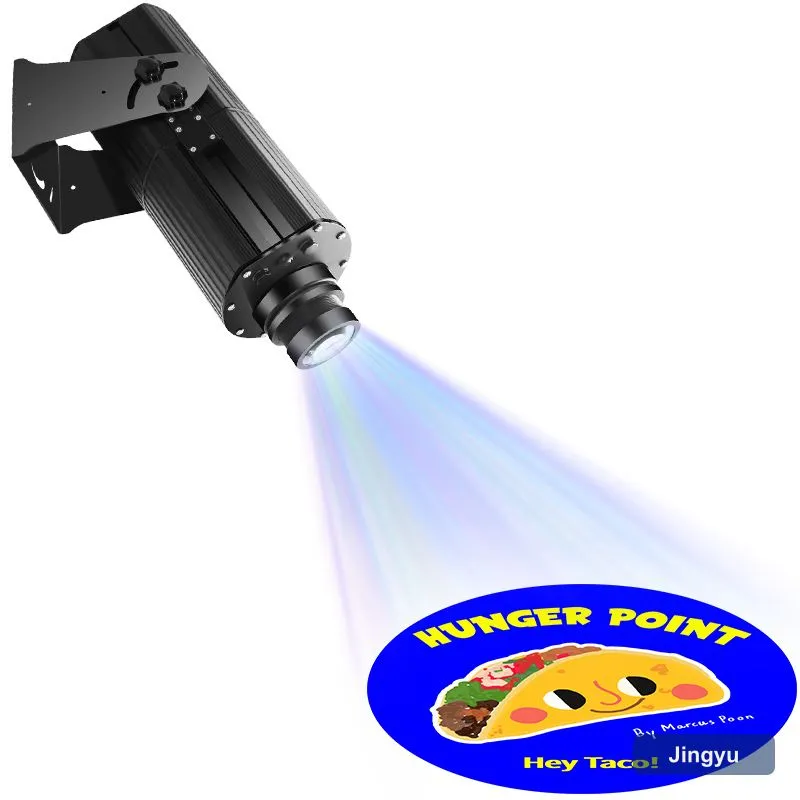
What 600 W actually buys you
Roughly 4–6× the on-wall brightness of a 200 W unit at the same distance, which is the difference between 'visible from the car park' and 'visible from the next block'. It is the right tool for architectural washes, stadium perimeter branding and large dealership forecourts.
Heat, cooling and duty cycle
That much power means real heat. Quality 600 W units use sealed aluminium housings with active cooling and thermal cut-out. For 24/7 outdoor use, confirm the IP rating (IP65/IP67) and that the fan intake stays clear of dust and insects.
Mains, cabling and glare control
You will need a proper mains feed in conduit with surge protection. Glare is the other cost: a 600 W beam at a low angle can dazzle drivers and neighbours. Aim high, use a narrow lens, and respect local light-pollution rules.
600 W vs 200 W — a realistic comparison
Pick by scenario, not by max number:
| Factor | 200 W | 600 W |
|---|---|---|
| Readable distance | up to ~40 m | up to ~150 m |
| Power feed | standard outlet | dedicated mains |
| Heat management | passive OK | active cooling needed |
| Best use | storefront, window | facade, forecourt, stadium |
| Running cost | low | 3× higher |
Lens and image quality
High power magnifies flaws: a cheap gobo disc burns unevenly and a soft lens looks worse at 600 W. Use glass or high-temp metal gobos and a quality optic so the extra lumens land as sharp detail, not a hot blur.
When to step down
If your surface is under 30 m and sheltered, 200–300 W is cheaper, cooler and glare-free. Spend the 600 W budget only where distance or ambient light forces it.