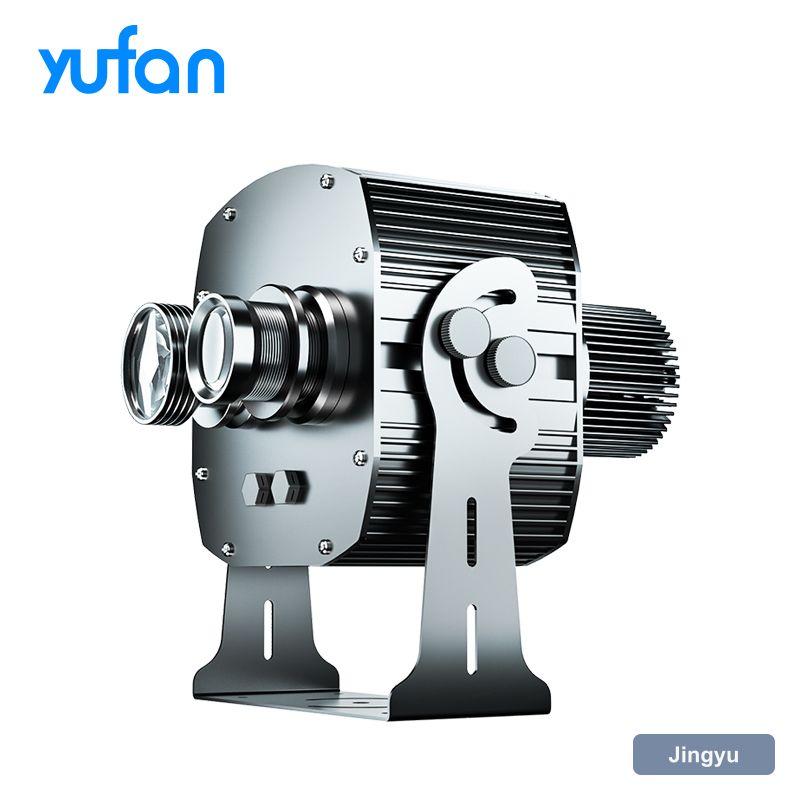
Start from the wall and work backwards
Most halftone dots in gobo engraving sheets list ten numbers and leave out the three that decide the result. Work from the wall backwards — image size, throw distance, ambient light — and treat everything else as supporting detail. The numbers that matter are the ones you can verify on site with a tape measure and a lux meter.
Output numbers, ranked by how much they lie
Wattage tells you the running cost, not the result. Two halftone dots in gobo engraving models at the same wattage can differ by 30% at the wall because of lens efficiency and LED binning. What you actually care about is contrast: the image needs to be meaningfully brighter than the surface it lands on, and that is a lux comparison, not a lumen one.
Gobo size, image area and resolution
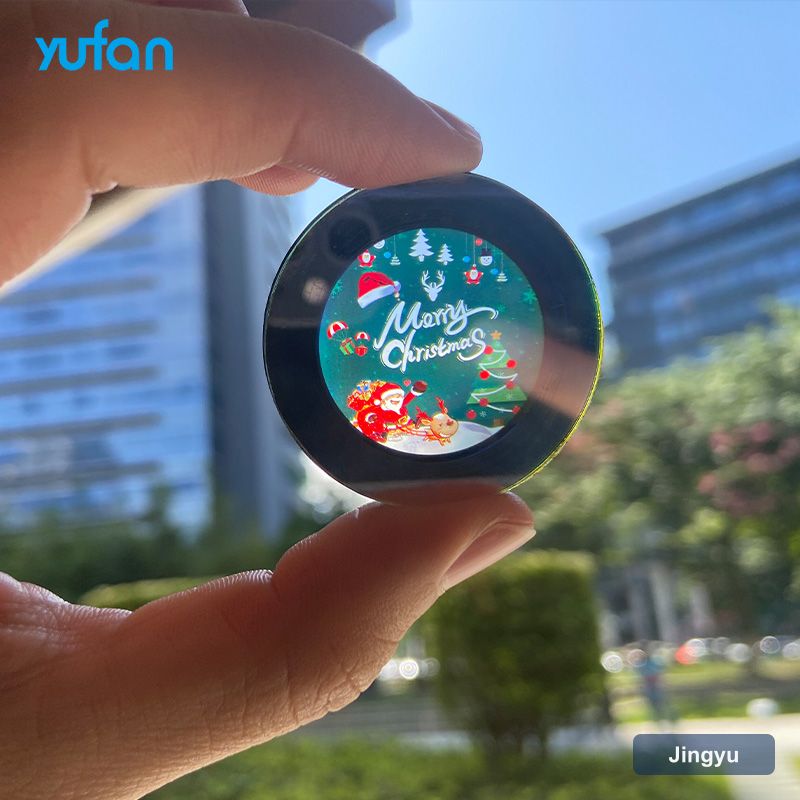
The spec most sheets omit is the maximum artwork resolution the optics can resolve. A halftone dots in gobo engraving with a good lens will render fine detail that a cheaper unit turns to mush, which means the limiting factor is often the projector, not the gobo. If your design has thin strokes, ask what line width the system holds at your throw distance.
The compliance block
IP65 is the number to check for anything outdoors, but read what it covers. The first digit is solid ingress, the second is liquid. IP65 on a halftone dots in gobo engraving means dust-tight and protected against water jets, and it says nothing about the bracket, the gland or the connector, which are the parts that actually fail. Ask whether the rating covers the whole assembly or just the housing.
Questions worth asking the supplier
The most revealing question is about failure. Ask what the most common warranty claim on this halftone dots in gobo engraving is and how it is resolved. A supplier who answers honestly is worth more than one with a slightly better spec sheet.