How Each One Works
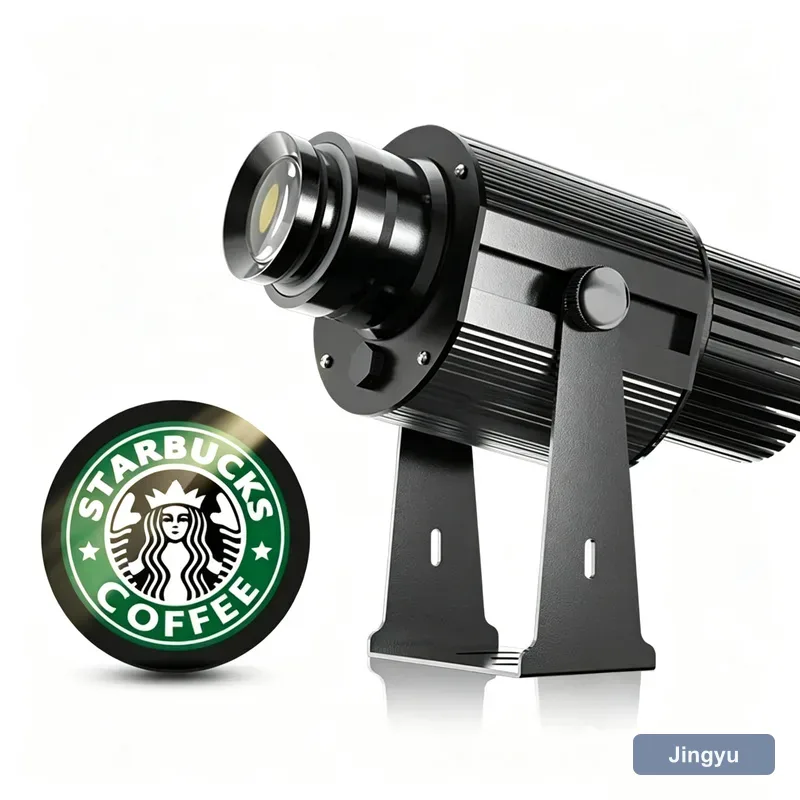
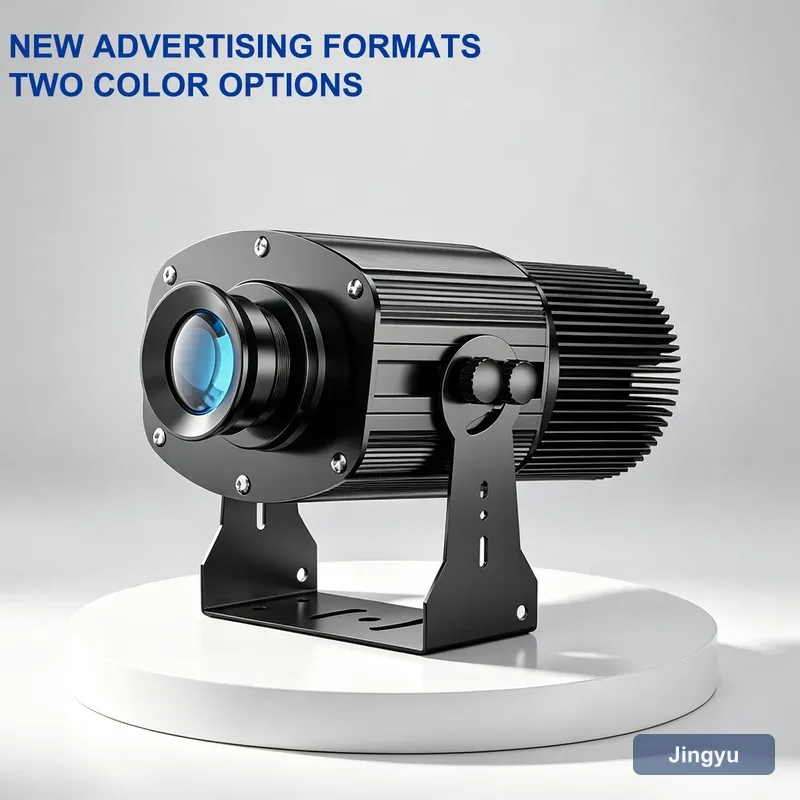
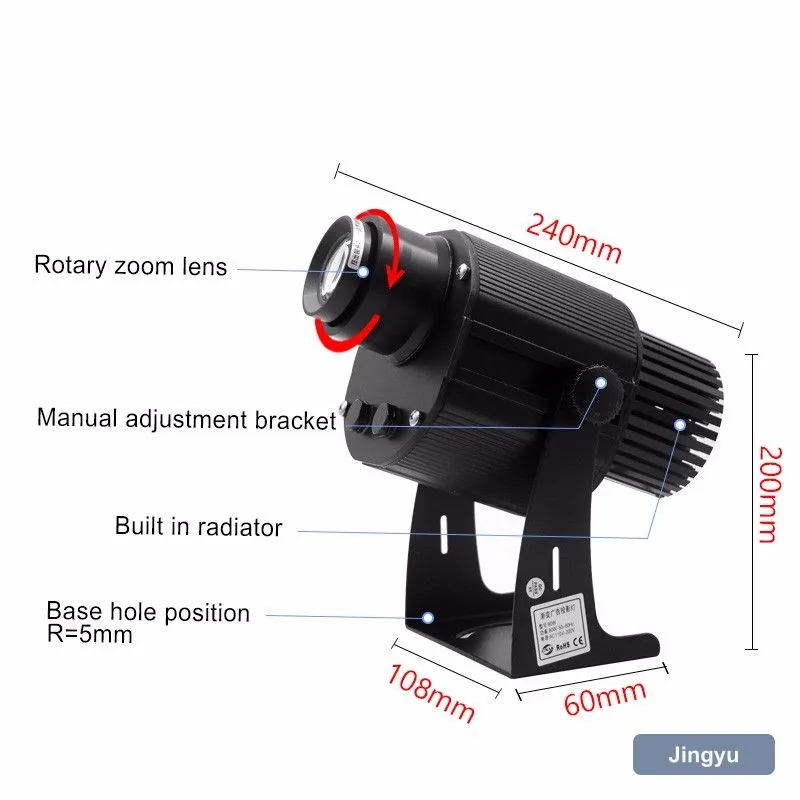
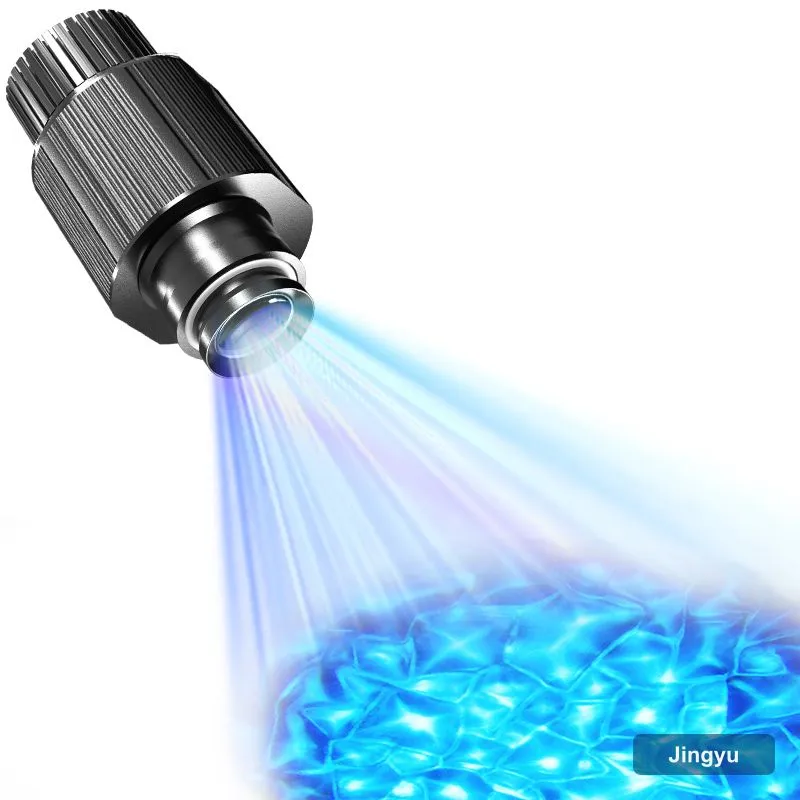
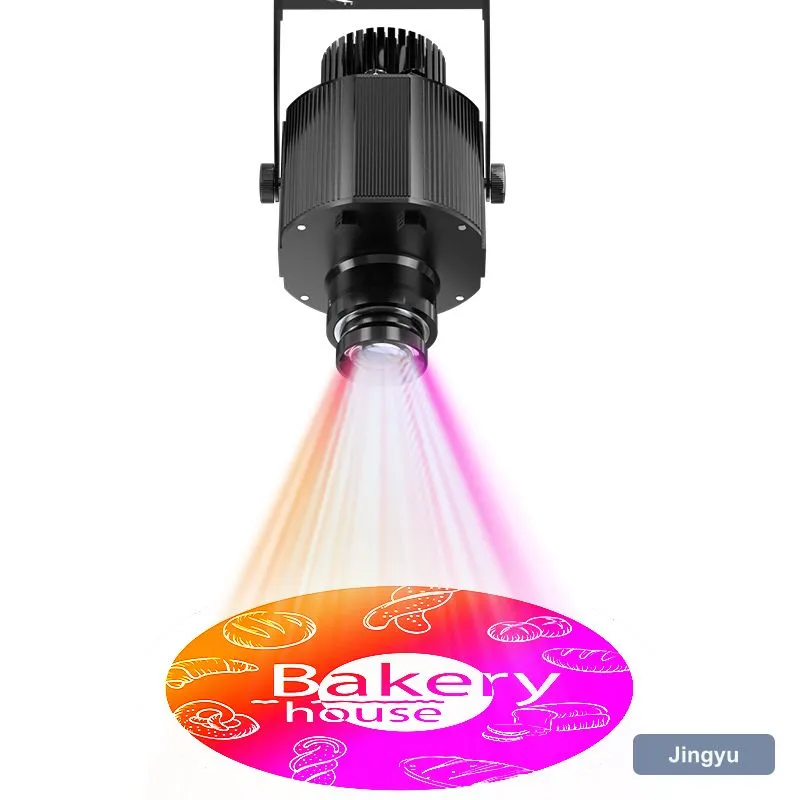
A gobo projector shines a lamp through a physical template (the 'gobo') — glass or metal — that carries one image: a logo, a pattern, or text. The optics then focus that single image onto the wall.
A video projector takes a digital signal (HDMI, USB, or streaming) and renders moving frames. It is a small cinema, not a sign.
Content Flexibility
If your message changes daily — menus, schedules, promotions — video wins. If your message is one durable mark (a brand, a monogram, a safety line), a gobo is simpler and never needs a media player.
Install and Maintenance
Gobos have no software, no firmware, and no signal loss. A video projector needs a source device, cabling, and periodic rebooting — more failure points in a permanent install.
Cost and Brightness
At a given brightness, a gobo fixture is usually cheaper and sealed (better for outdoor). Video projectors bright enough for daylight storefronts get expensive fast.
| Factor | Gobo projector | Video projector |
|---|---|---|
| Single image | Native, razor-sharp | Needs a still frame |
| Changing content | Swap the gobo | Edit and replay file |
| Outdoor daylight | Strong, sealed units | Costly at high lumens |
| Moving content | Rotating effect only | Full video |
| Maintenance | Low | Higher (source + cable) |
When to Choose a Gobo
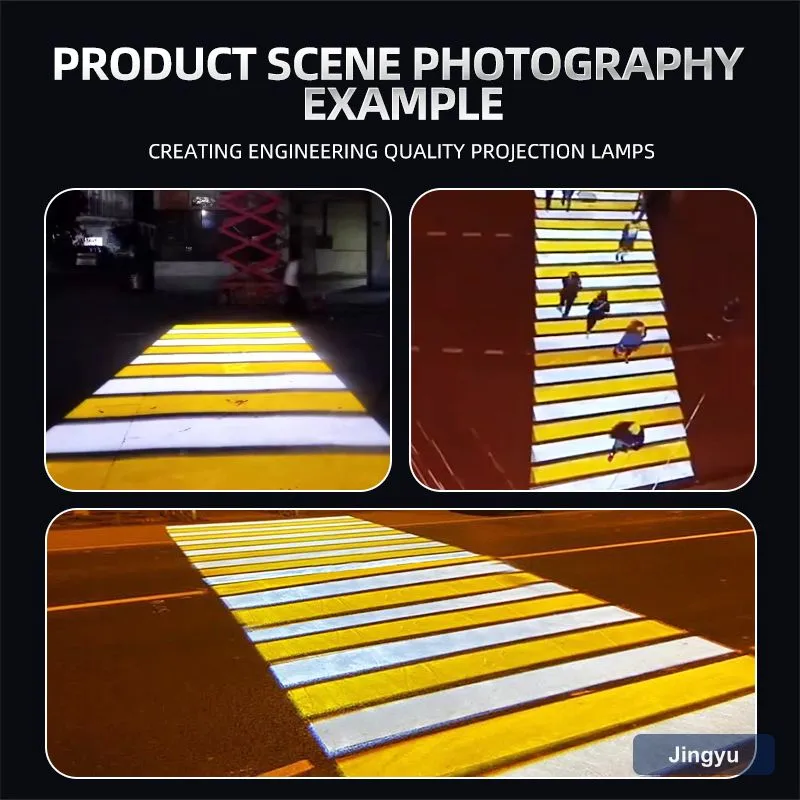
Choose a gobo for logos, monograms, safety lines, architectural patterns, and any fixed brand mark you leave running 24/7.
When to Choose Video
Choose video for menus, ads, countdowns, mapping on irregular surfaces, or anything that must animate frame-by-frame.