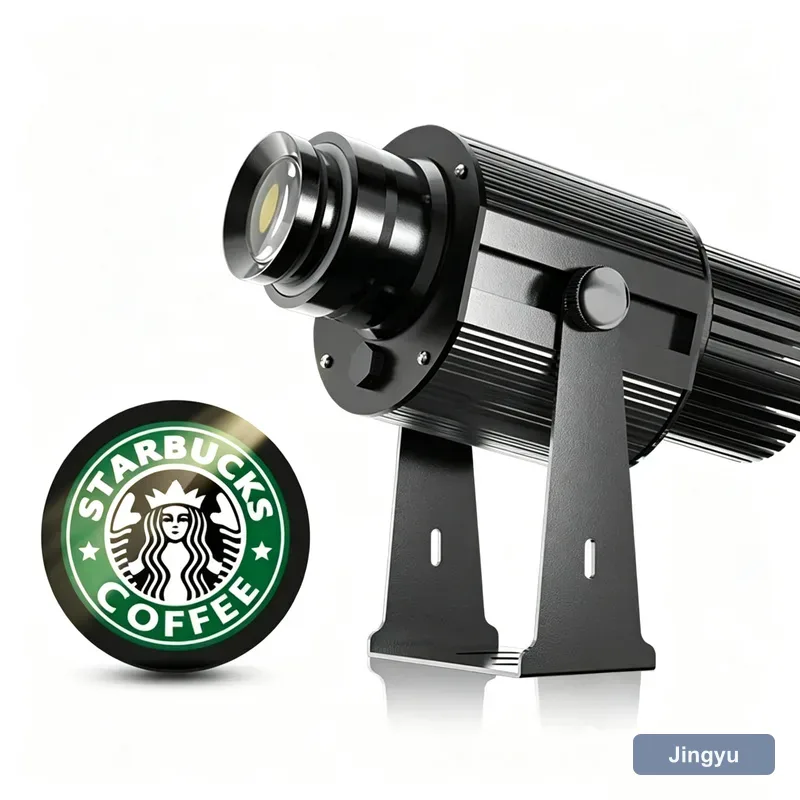
Start from vector
Supply a vector file (SVG, AI, EPS, PDF with live paths), not a JPG. Raster artwork has to be traced, and tracing invents or drops detail. If all you have is a bitmap, expect a proof and a possible redraw fee.
Stroke weight and detail
Engraving has a physical spot size. Strokes thinner than that simply do not cut. As a rule, keep the thinnest stroke at least 0.25mm at the intended projection size, and avoid hairline fonts.
- Use a font with weight, not a script hairline
- Bolder is safer at long throw
- Ask for the minimum stroke the process holds
Background matters
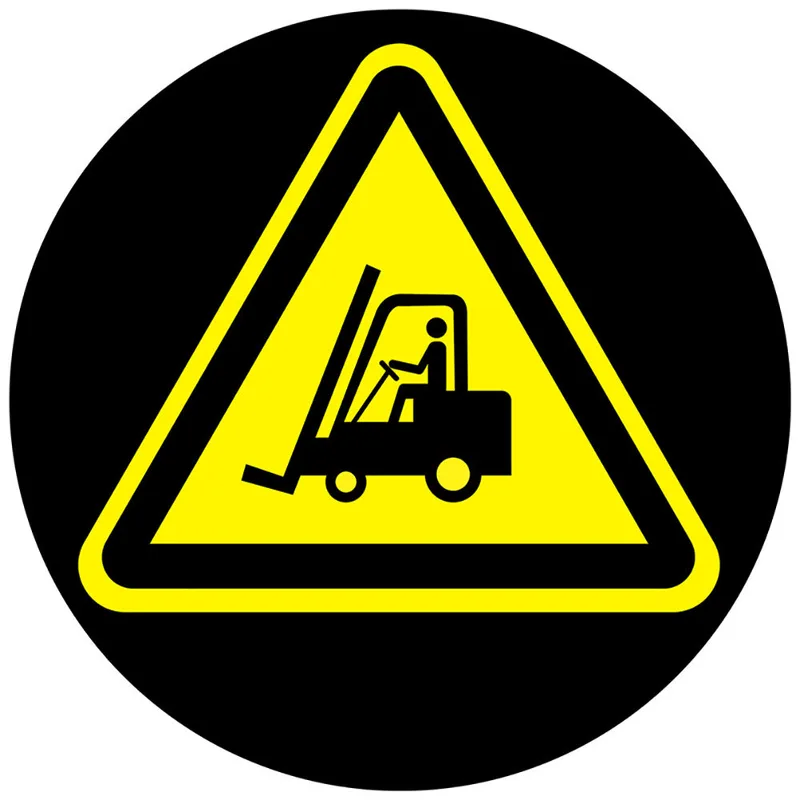
A white or transparent background in the file means light passes everywhere — your logo becomes a glowing rectangle. The artwork must be black on transparent, with the mark as the only opaque area.
Proof before production
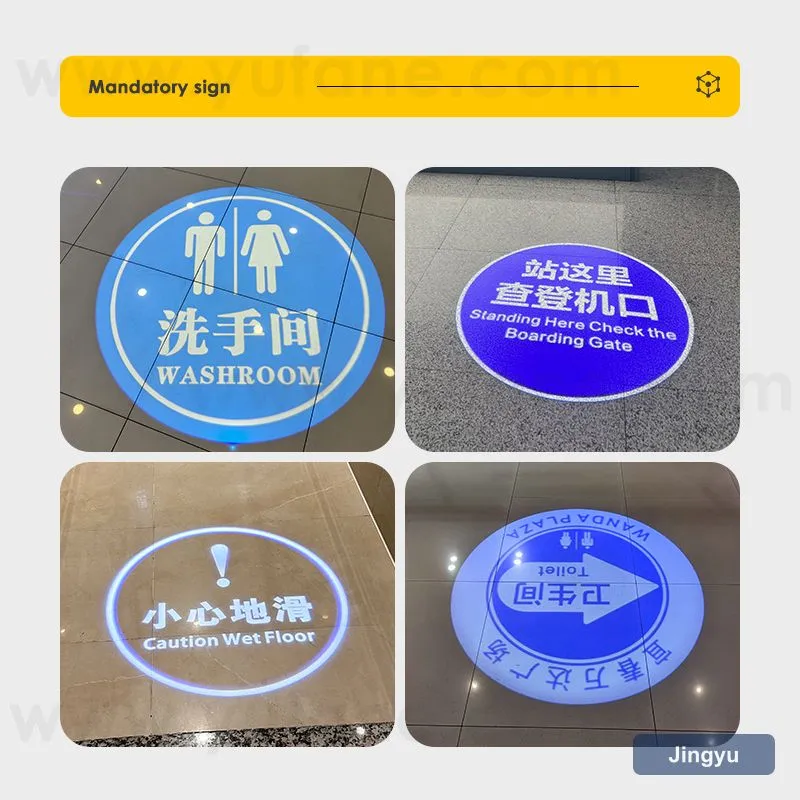
Always get a proof at the actual projection size, not a screen render. What reads at 200px can vanish at 3 metres. Approve the proof, not the preview.
- Receive proof at final size
- Check thin strokes and small text
- Confirm colour matching if tonal
Turnaround and reorder
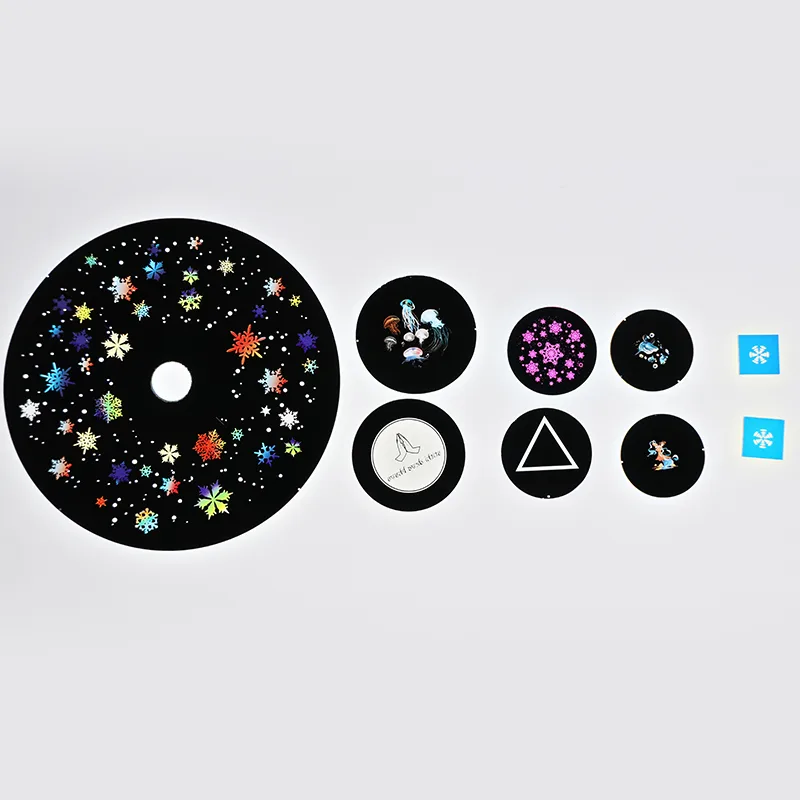
Keep the approved file. Every reorder starts from it, and a lost file means re-proofing from scratch. Note the gobo size so the next order seats correctly.
Common failures
The recurring mistakes are a 72dpi logo sent for engraving, a white background left in, and text too small for the throw. All three are caught at the proof stage if you look.