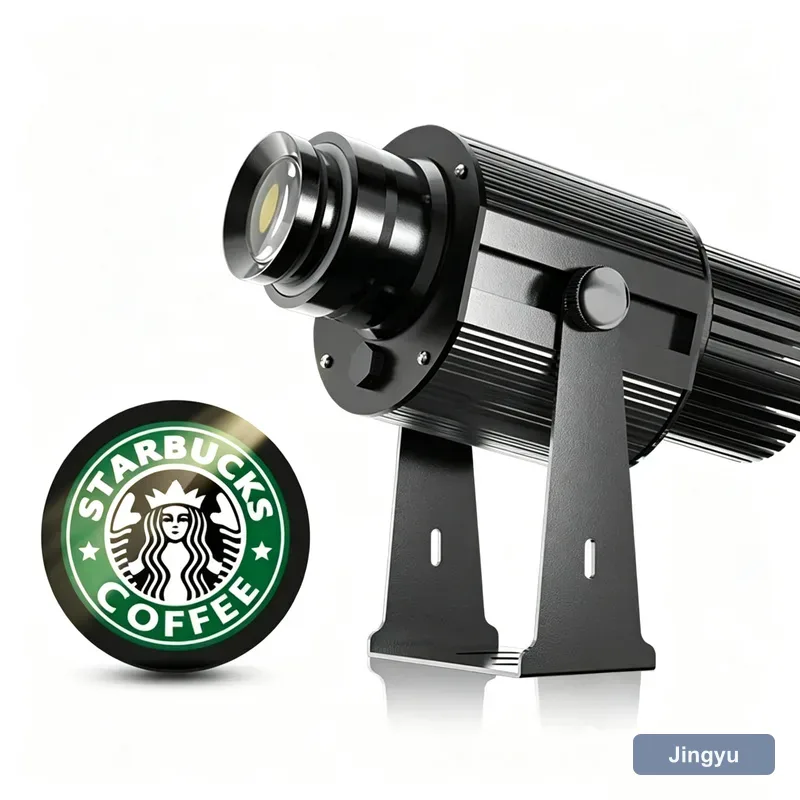
Where Gobo Projection Shines at a Wedding
The most requested wedding looks are a monogram at the ceremony backdrop, a couples' initials on the reception wall, and a gentle rotating pattern on the dance floor. Because these are light, not physical decor, they photograph beautifully and dismantle in seconds.
For outdoor ceremonies, a battery unit means no power run across a lawn, and a quiet fan keeps vows audible.
Wedding Buying Checklist
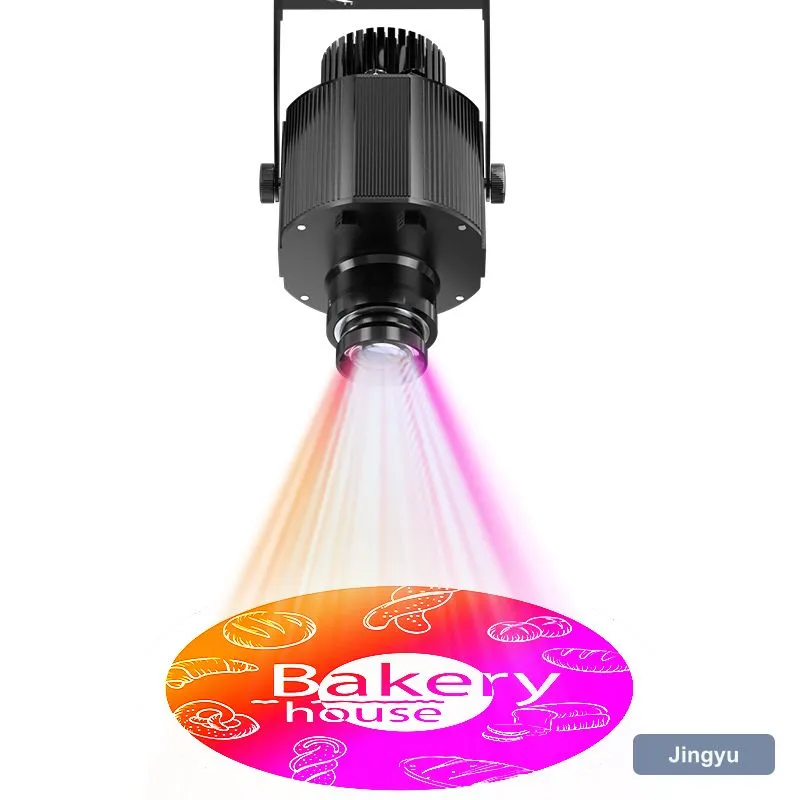
- Monogram gobo: supply the couple's names or initials as a vector for a crisp etched glass gobo.
- Quiet mode: under 30 dB so it never competes with the celebrant or speeches.
- Battery option for garden or beach ceremonies with no power.
- Dimming: a unit that fades for the first dance and brightens for the party.
- Warm white: most weddings read better in 3000 to 3200 K than cold white.
Wedding Setup Comparison
| Look | Unit | Power | Best placement |
|---|---|---|---|
| Ceremony monogram | 15 to 50 W logo | 15 to 50 W | Behind vows, 3 to 6 m |
| Reception name wall | 50 W aluminium | 50 W | Opposite head table, 5 to 9 m |
| Dance-floor pattern | Rotating dynamic | Varies | Ceiling, 3 to 5 m down |
| Garden aisle | Rechargeable portable | Battery | Tree or arch mount |
Placement and Timing
Run the monogram static through the ceremony, then switch to a slow rotation for the reception. Coordinate with the DJ so the first dance fades the pattern in rather than snapping it on.
Keep the beam off faces. Aim at the floor or a backdrop, never across where guests are seated, to avoid distracting shine in eyes.
Brightness for Soft Looks
Weddings favour mood over punch. A 15 to 50 W unit is usually enough indoors; resist overpowering the room. The goal is a glowing mark, not a spotlight.
Mistakes That Break the Magic
- Projecting onto a busy floral wall where the mark vanishes.
- Cold white that clashes with warm candlelight.
- A unit too loud for the vows.
- Forgetting a backup gobo in case of a last-minute name change.