Pop-up Uses
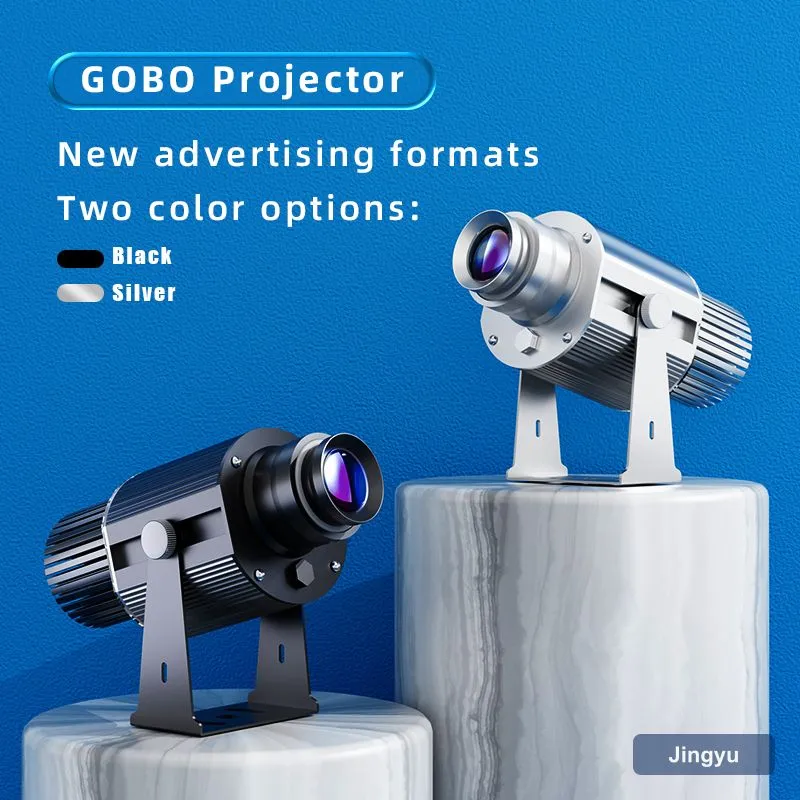
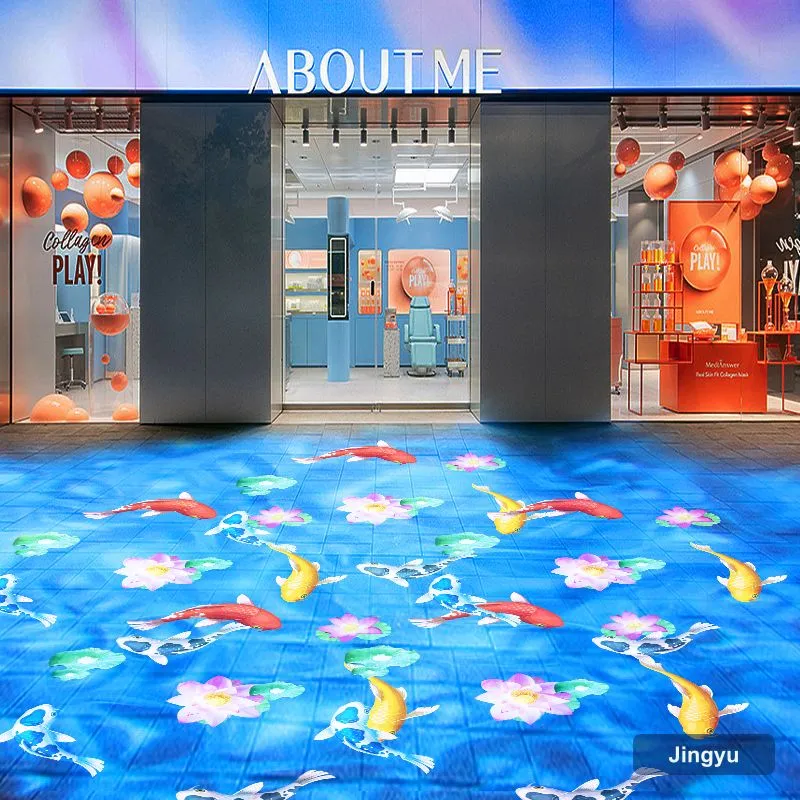
The entrance gets the brand mark, the back wall a hero logo, and the floor a guiding pattern. Because the store is temporary, quick rig and reuse matter most.
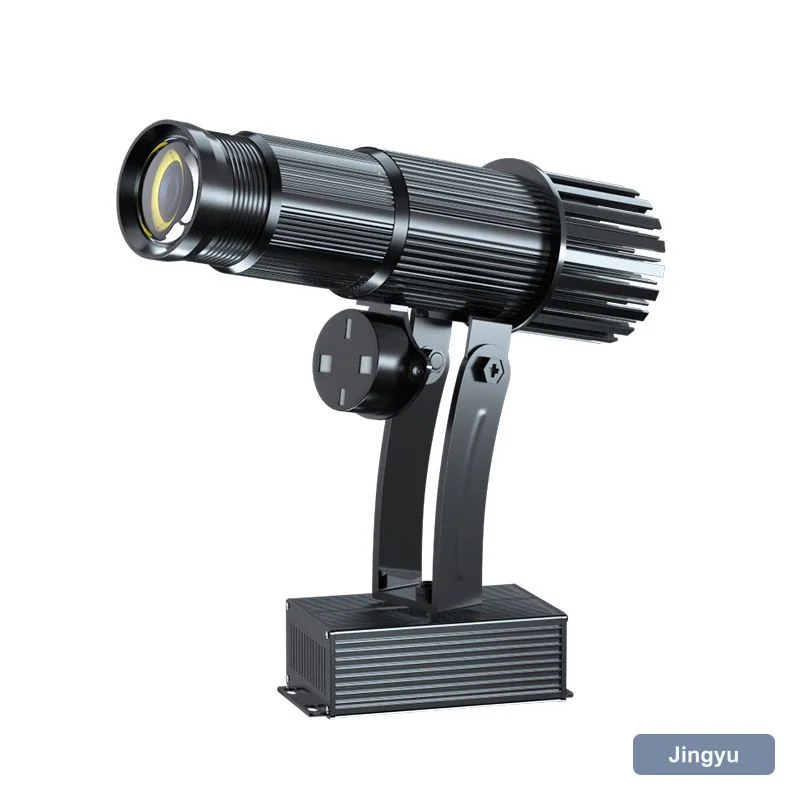
A compact unit travels in a tote and clamps to existing fixtures.
Pop-up Checklist
- Quick-install, clamp-on design.
- Reusable gobo for the tour.
- Battery option for venues without power.
- Small, portable body.
- Simple control for pop-up staff.
Pop-up Comparison
| Spot | Unit | Power | Throw |
|---|---|---|---|
| Back wall | 50 W logo | 50 W | Wall 4 to 8 m |
| Entrance | 15 W logo | 15 W | 2 to 4 m |
| Floor guide | 15 to 50 W | 15 to 50 W | 3 to 6 m |
| No-power venue | Rechargeable | Battery | 3 to 6 m |
In and Out Fast
Pre-load the brand gobo and clamp the unit to a shelf or truss. A battery option means no hunt for an outlet in a raw space.
Brightness for Pop-ups
Pop-up venues vary; 15 to 50 W covers most walls, and battery units handle dark, power-free spaces.
Mistakes
- Slow rig costing selling time.
- No battery plan for raw venues.
- Beam across the queue.
- Fragile unit in transit.